

YOUR HOME SOLD GUARANTEED OR WE'LL BUY IT!*





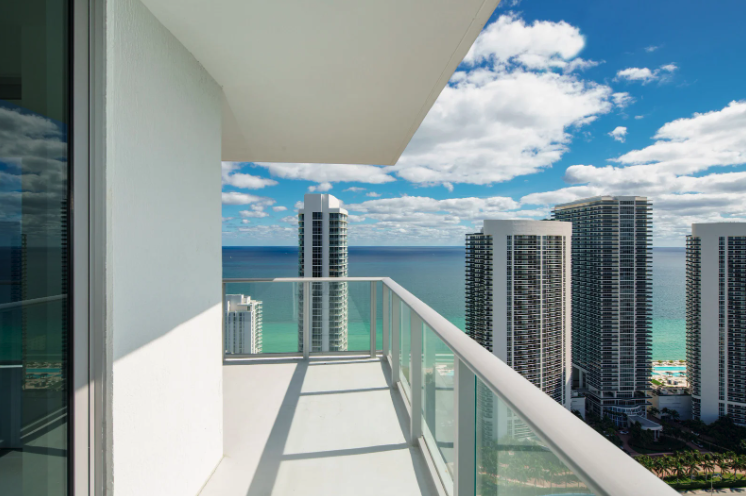
British Columbia’s effort to address its growing stock of unsold condos is raising questions about whether the initiative is truly aimed at creating affordable housing or protecting the broader real estate market. Under the $1.45-billion plan, governments and private investors would purchase as many as 2,200 completed units and make them available through a rent-to-own model.
The initiative initially drew attention because it was announced with very few details as part of a broader government announcement. More information emerged a week later, when officials confirmed that both levels of government would contribute $150 million, putting $300 million in taxpayer funds toward the purchases. The remaining financing is expected to come from investors, making the structure similar to a comparable condo-buying initiative in Ontario.
The program comes as British Columbia faces a substantial inventory of completed condos that have yet to find buyers. Government and housing data show that thousands of completed units remain unsold across the province, with a large concentration in the Metro Vancouver area. However, the program is expected to focus mainly outside Vancouver, where condo prices are generally lower. Supporters say bulk purchases could secure discounts and create opportunities for households to enter the market without a traditional down payment.
Critics argue that purchasing a large share of the province’s unsold inventory could effectively establish a floor beneath declining condo prices. They question whether the units would actually be affordable for ordinary households, particularly if prices remain above $600,000 even after discounts. There are also concerns that the program could protect developers and lenders from losses associated with weak sales, while providing affordable housing to only a relatively small number of households.
The rent-to-own component has also attracted skepticism. Critics say the model may not necessarily lead to homeownership if participants remain unable to qualify for a mortgage once the rental period ends. At the same time, supporters of the broader intervention argue that stabilizing the condo market could prevent deeper problems for developers, lenders and the wider provincial economy. Ultimately, the debate centers on whether the program will meaningfully expand affordable homeownership or primarily prevent further declines in the housing market.
The initiative initially drew attention because it was announced with very few details as part of a broader government announcement. More information emerged a week later, when officials confirmed that both levels of government would contribute $150 million, putting $300 million in taxpayer funds toward the purchases. The remaining financing is expected to come from investors, making the structure similar to a comparable condo-buying initiative in Ontario.
The program comes as British Columbia faces a substantial inventory of completed condos that have yet to find buyers. Government and housing data show that thousands of completed units remain unsold across the province, with a large concentration in the Metro Vancouver area. However, the program is expected to focus mainly outside Vancouver, where condo prices are generally lower. Supporters say bulk purchases could secure discounts and create opportunities for households to enter the market without a traditional down payment.
Critics argue that purchasing a large share of the province’s unsold inventory could effectively establish a floor beneath declining condo prices. They question whether the units would actually be affordable for ordinary households, particularly if prices remain above $600,000 even after discounts. There are also concerns that the program could protect developers and lenders from losses associated with weak sales, while providing affordable housing to only a relatively small number of households.
The rent-to-own component has also attracted skepticism. Critics say the model may not necessarily lead to homeownership if participants remain unable to qualify for a mortgage once the rental period ends. At the same time, supporters of the broader intervention argue that stabilizing the condo market could prevent deeper problems for developers, lenders and the wider provincial economy. Ultimately, the debate centers on whether the program will meaningfully expand affordable homeownership or primarily prevent further declines in the housing market.
We would like to hear from you! If you have any questions, please do not hesitate to contact us. We are always looking forward to hearing from you! We will do our best to reply to you within 24 hours !